
Building Careers One Bootcamp at a Time: CREST Participants Share their Stories
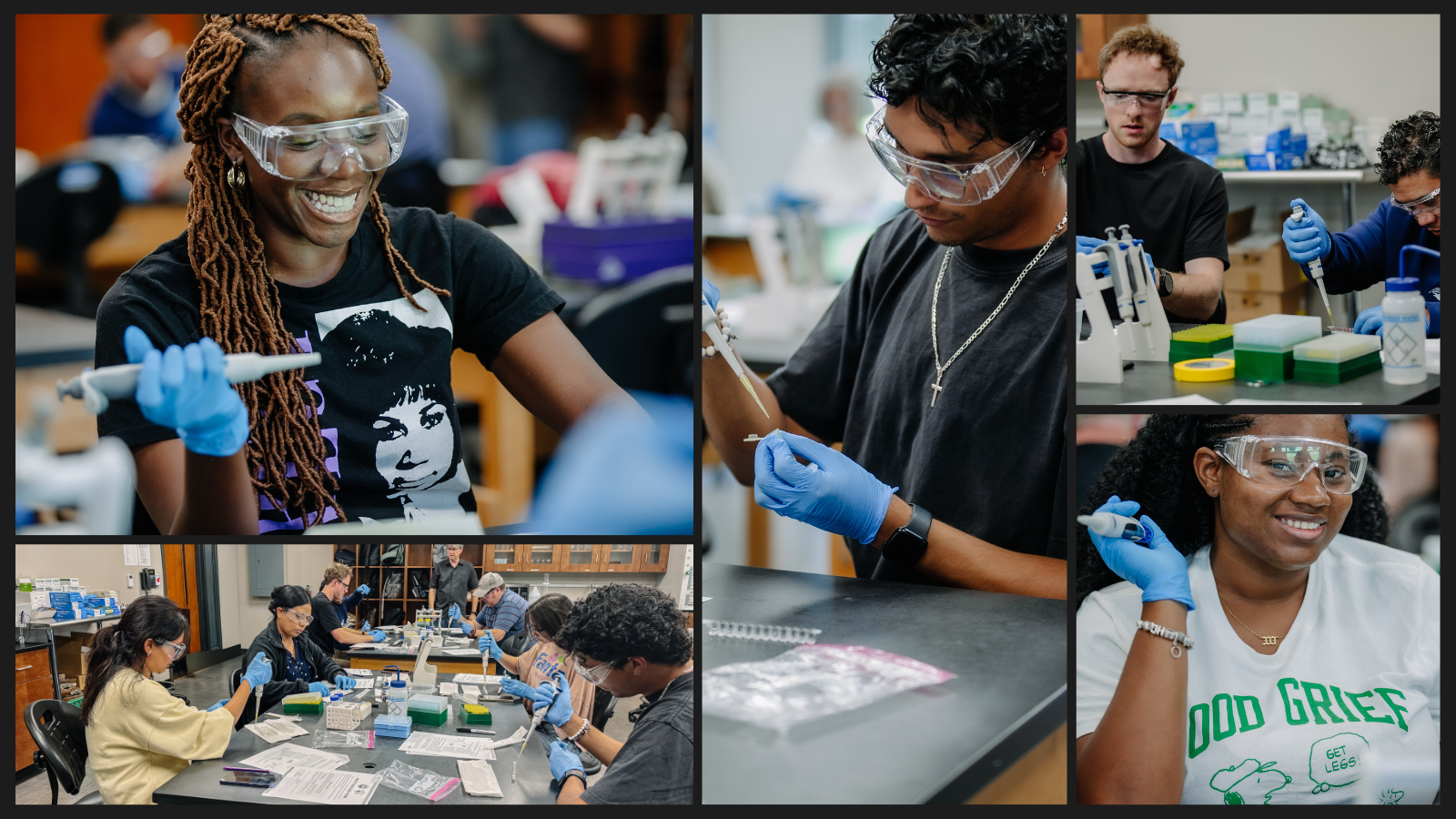
The Coalition Responsible for Excellence in Skills Training (CREST) program spent six weeks across two Tennessee community college sites (Motlow State Community College and Volunteer State Community College) helping participants earn credentials in the biotech industry. A total of 42 participants completed this year’s program, with sixty percent deciding to seek full-time employment in a biotech career. We sat down with several participants from both cohorts to hear about their experiences, what pushed them to enroll, and where they're headed next. Their stories highlight exactly why programs like CREST matter.
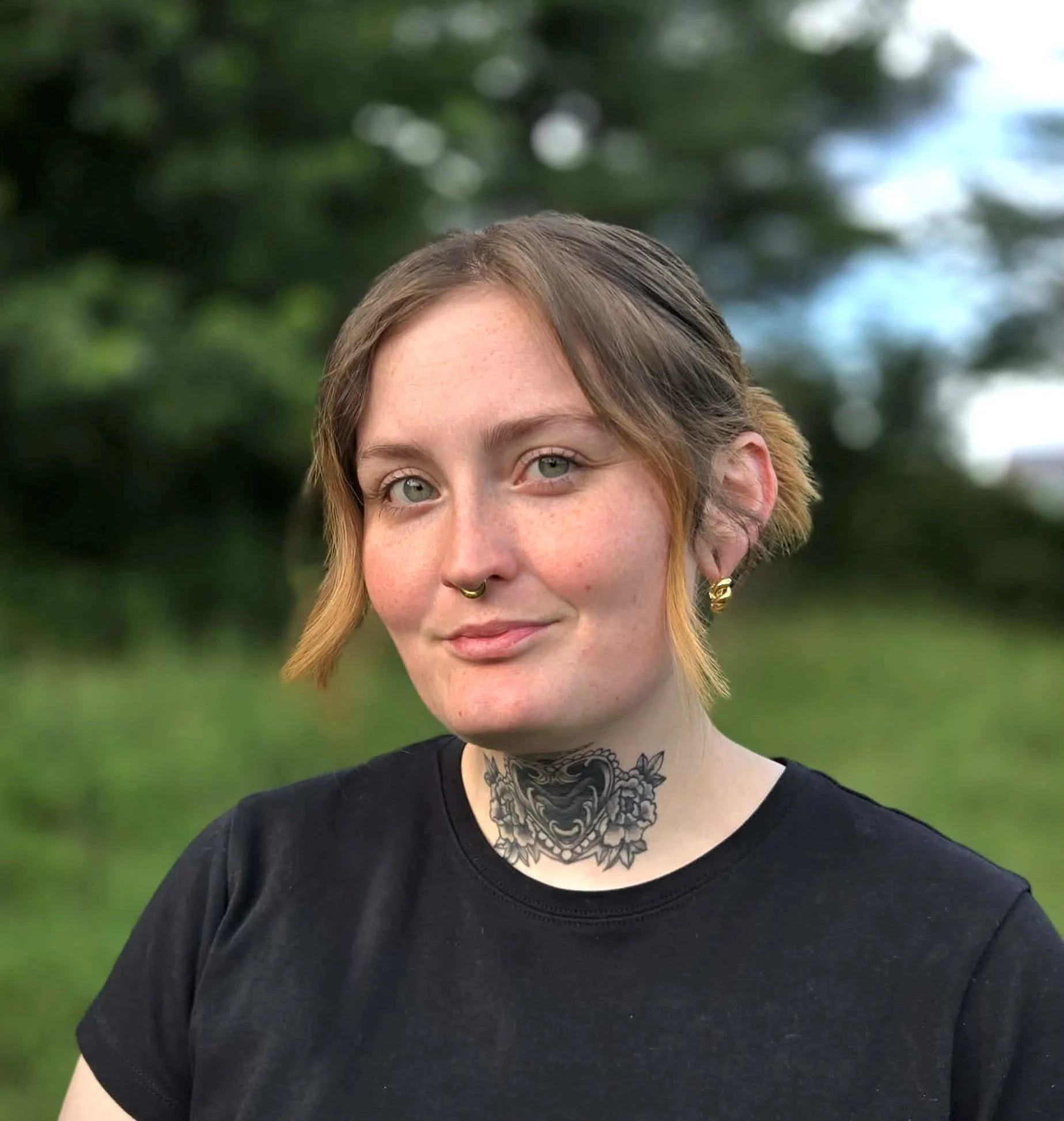
A Path for Working Adults: Savannah Cox
For Savannah Cox, traditional college felt out of reach. As a working adult supporting her family, she needed an option that didn't force her to choose between education and income.
“This course allowed me to continue to financially care for my family while also furthering my studies and gaining valuable skills to change my career path into something I was more interested in,” Cox said.
For Savannah Cox, traditional college felt out of reach. As a working adult supporting her family, she needed an option that didn't force her to choose between education and income.
“This course allowed me to continue to financially care for my family while also furthering my studies and gaining valuable skills to change my career path into something I was more interested in,” Cox said.
Her favorite part of the program was getting hands-on with the material. “Learning how things work at a molecular level, and seeing that process through lab experiments,” she said, was what stuck with her most. The biggest hurdle wasn't the coursework itself but restructuring her working hours to make room for it, a challenge she said many working adults face when trying to advance their careers.
That is exactly why Cox believes programs like this need to exist. “I believe there are multitudes of adults who are extremely capable, hard-working, and driven but cannot go to college full time while still supporting their families. Programs like this completely change that.”
Since completing the bootcamp, Cox has discovered a new interest in field testing, particularly water and soil testing. She's now considering evening courses in chemistry or geology to keep building on what she learned.
Finding a “Next Step” After Retirement: Robert Overall
Robert Overall came to the program from a different stage of life. Recently retired, he was searching for his next chapter and had already started leaning toward the medical field when he came across CREST.
Robert Overall came to the program from a different stage of life. Recently retired, he was searching for his next chapter and had already started leaning toward the medical field when he came across CREST.
“The people, both the faculty and my classmates, were great to spend time with,” Overall said. He also pointed to the hands-on component as something that couldn't be replicated in a traditional classroom setting, calling the chance to work directly with lab specimens and equipment invaluable.
Overall was candid about the pace of the program, noting that the “bootcamp” label was well earned. Still, he sees real value in the format and the experience it delivers.
He was especially struck by the impact of the program's stipend. Some of his classmates would not have been able to participate without it. “They had to cut back or even eliminate work hours to attend,” he explained, adding that pursuing a traditional college degree would have required an even longer sacrifice.
Overall is now pursuing further studies in Biomedical Equipment Technologies, a path he discovered through the program's focus on lab and testing equipment.

Bridging the Gap Between Classroom and Industry: Adolph Chola
Adolph Chola's biggest challenge came from the regulatory side of the material. Learning to distinguish between agencies like the Center for Drug Evaluation and Research (CDER) and the Center for Biologics Evaluation and Research (CBER), and understanding the difference between New Drug Application (NDA) and Biologics Licence Application (BLA) pathways, required real focus.
“It's a dense body of knowledge, but working through it systematically, and testing myself with practice questions, made it click,” Chola said.
For Chola, the value of the program comes down to relevance. “Biotechnology moves fast, and there's a real gap between classroom theory and what the industry actually needs day to day,” he said. “Programs like this give people a chance to build practical, job-ready skills and make the field more feasible to those coming from different academic or career paths.”
Chola is now looking ahead to full-time or part-time roles in the manufacturing and biotechnology industries.
A Shared Thread
Whether transitioning careers or returning to the workforce after retirement, these participants each found something different in the CREST bootcamp. What ties their stories together is a shared belief that hands-on and available training opens doors that traditional education paths often keep closed.
Interested in supporting this program? Click here.
For more information on this program, visit midsouthhub.org/crest.