
Inside the First GAME Change I-Corps Cohort
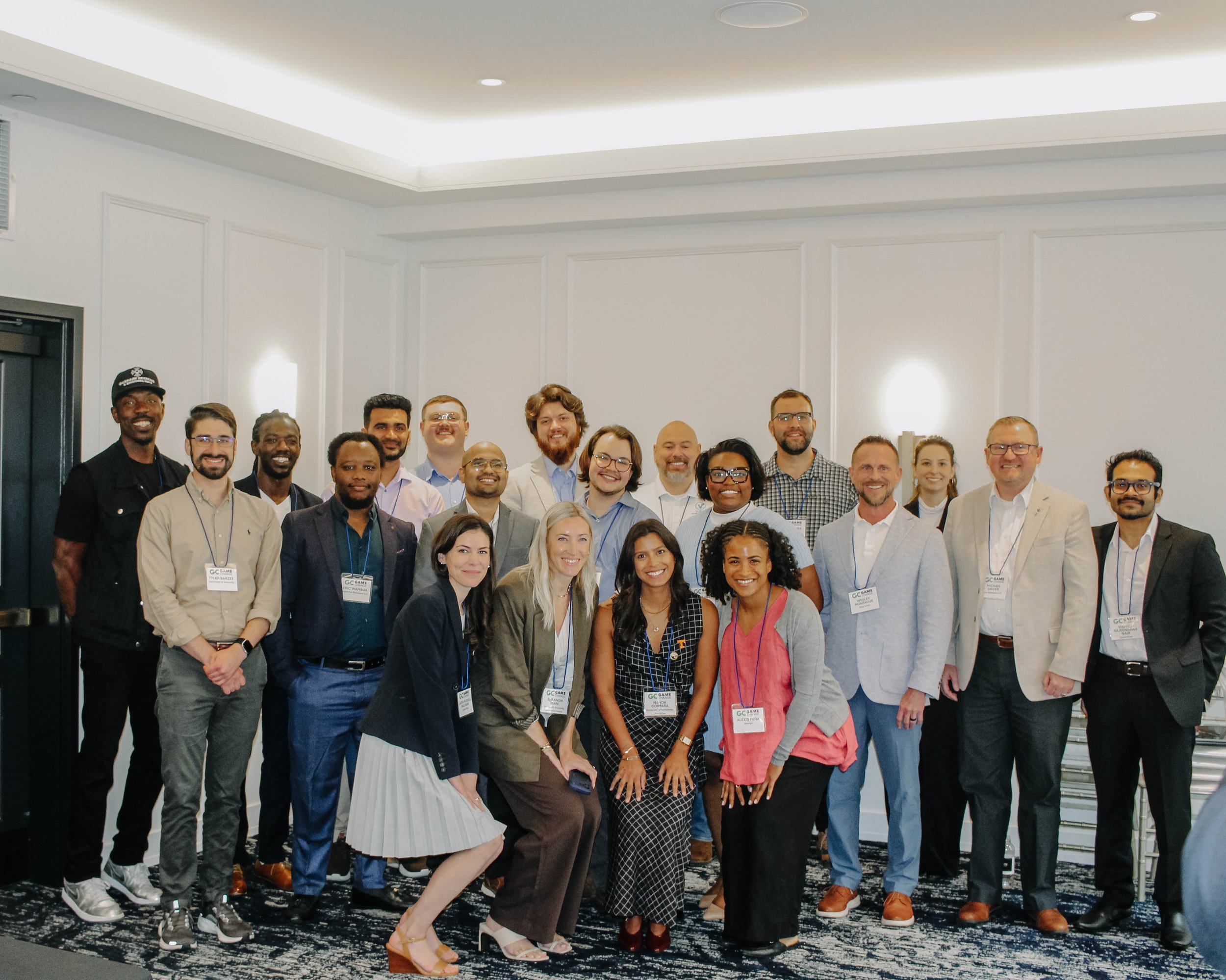
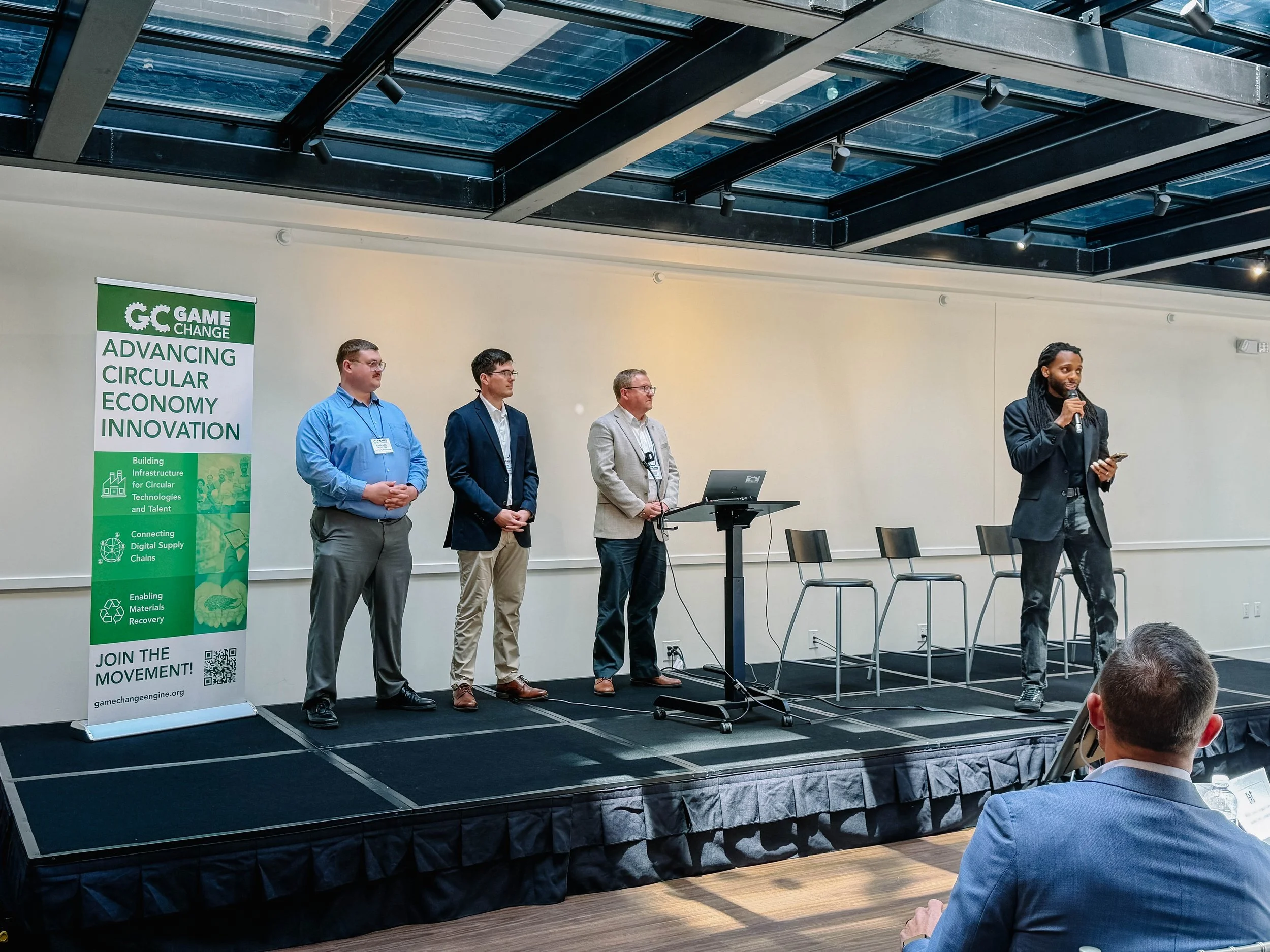
This year, the NSF I-Corps Mid-South Hub and GAME Change partnered for the first time to run a cohort supporting early-stage technologies in circular manufacturing and supply chain resilience. Thirteen teams spent six weeks working through I-Corps' customer discovery process before taking the stage at the 6th Annual GAME Change Summit in Kentucky, an event that GAME Change has hosted for four years as part of its work building a regional innovation ecosystem across Kentucky and Tennessee.The collaboration was made possible in part through support from FedEx, provided through the Circular Supply Chain Coalition with funding administered and distributed to University of Kentucky by University of Tennessee, Knoxville.
The premise of I-Corps is straightforward: before a technology can reach the market, founders need to understand the problem they're actually solving, and not the one they assumed they were solving. That means getting out of the lab and talking to customers, industry partners, and stakeholders, sometimes hundreds of them, before a pitch ever happens.
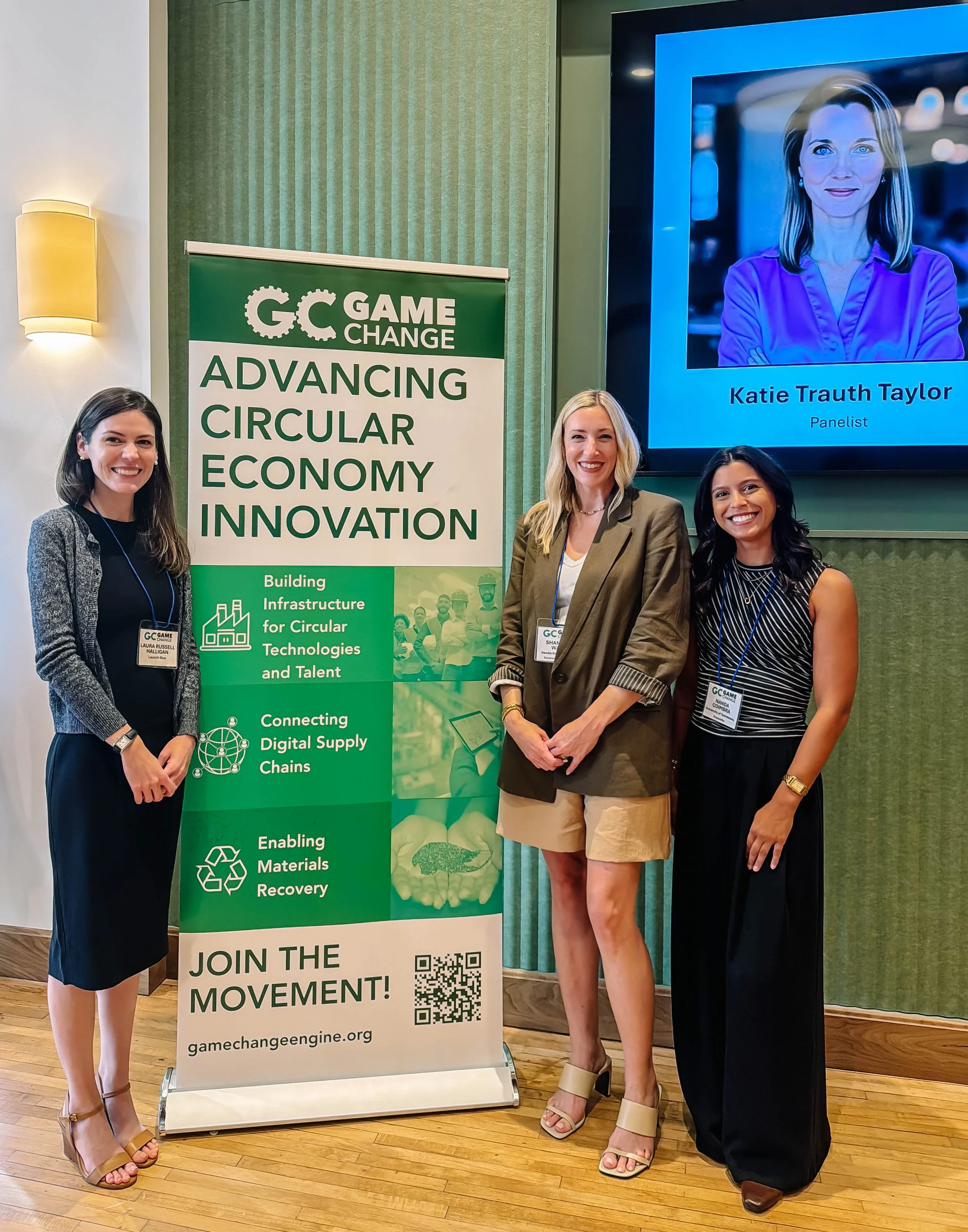
"At the beginning, most teams talked about their technology in terms of features, performance, and technical capabilities," said Shannon Ware, Senior Operations Lead, Vanderbilt Innovation Corps. "By the end, and during their pitches, they were much more focused on outcomes — who benefits, what problem is being solved, how customers measure value. The conversation moved from here's what we built to here's why someone would adopt it.”
What made this cohort stand out, according to Laura Halligan, Executive Director of Launch Blue, University of Kentucky, was the teaching team behind it. The Experts-in-Residence (EIRs), industry mentors, and core instructor Alexis Peña brought not just knowledge of the circular economy and commercialization, but real relationships across the industries these teams were trying to enter. "The participants weren't just learning methodologies and the discovery process," Halligan said. "They were getting guidance from experts who deeply understand the realities of bringing technologies to market in the circularity space — who could help them ask better questions, connect them with the right stakeholders, and better understand industry needs."
The EIRs saw the results of that process up close. Allen Xu noted that technical founders often assume their solution is self-evident and that customers will show up once it's built. Watching that assumption get challenged, and watching teams adjust, was, in his words, "incredibly reassuring to witness." Lauren Kim, also an EIR, described the shift as a reorientation. Teams came in attached to their technology and left focused on what the market was telling them. Customer discovery, she said, "isn't just a box to check; it should be used to drive the direction." Several teams arrived at the Summit having realized their potential market was significantly larger than they'd thought and a few discovered an entirely different product opportunity within their existing work.
EIR Kimberley Duarte pointed to ecosystem mapping as one of the most pivotal exercises. When teams mapped out their market, they often uncovered entire industries connected to their technology that they hadn't previously considered. "It's the kind of insight that's nearly impossible to arrive at alone," she said. "It takes structured discovery and being pushed to ask questions you wouldn't have thought to ask."
Halligan was candid about what the process demands of participants. These are researchers and innovators who have spent years developing their work, now being asked to have hard conversations with strangers and stress-test everything they've built. "That requires tremendous vulnerability, honesty, and commitment," she said. "The most valuable learning doesn't always come from hearing that a critical need exists — it actually comes from being willing to listen, uncover challenges to your assumptions, and adapt based on what the market is telling you."
For Wesley Montague, Founder and CEO of Ship It Pro, that willingness paid off. "As a founder, it's easy to become convinced you already know the problem," he said. "GAME Change challenged me to test every assumption with customers and industry stakeholders. The experience strengthened both our business model and our confidence that Ship It Pro is addressing a problem that affects the entire supply chain."
The Summit pitch was a finish line of sorts, but what these teams built over the course of the cohort: market insight, industry relationships, and a sharper sense of who they're building for, is what carries forward. For the Mid-South Hub, this first collaboration with GAME Change is the start of something we hope to continue.